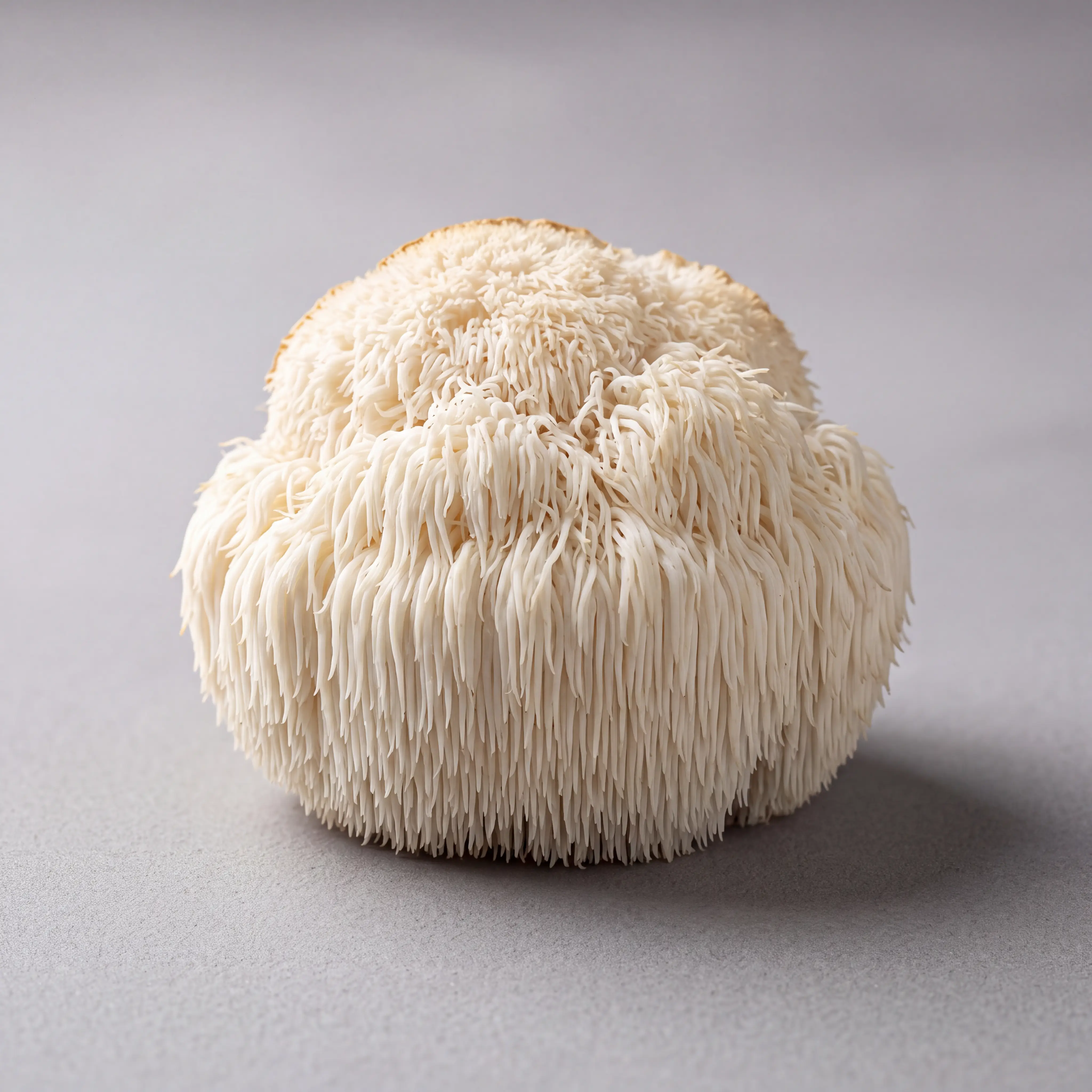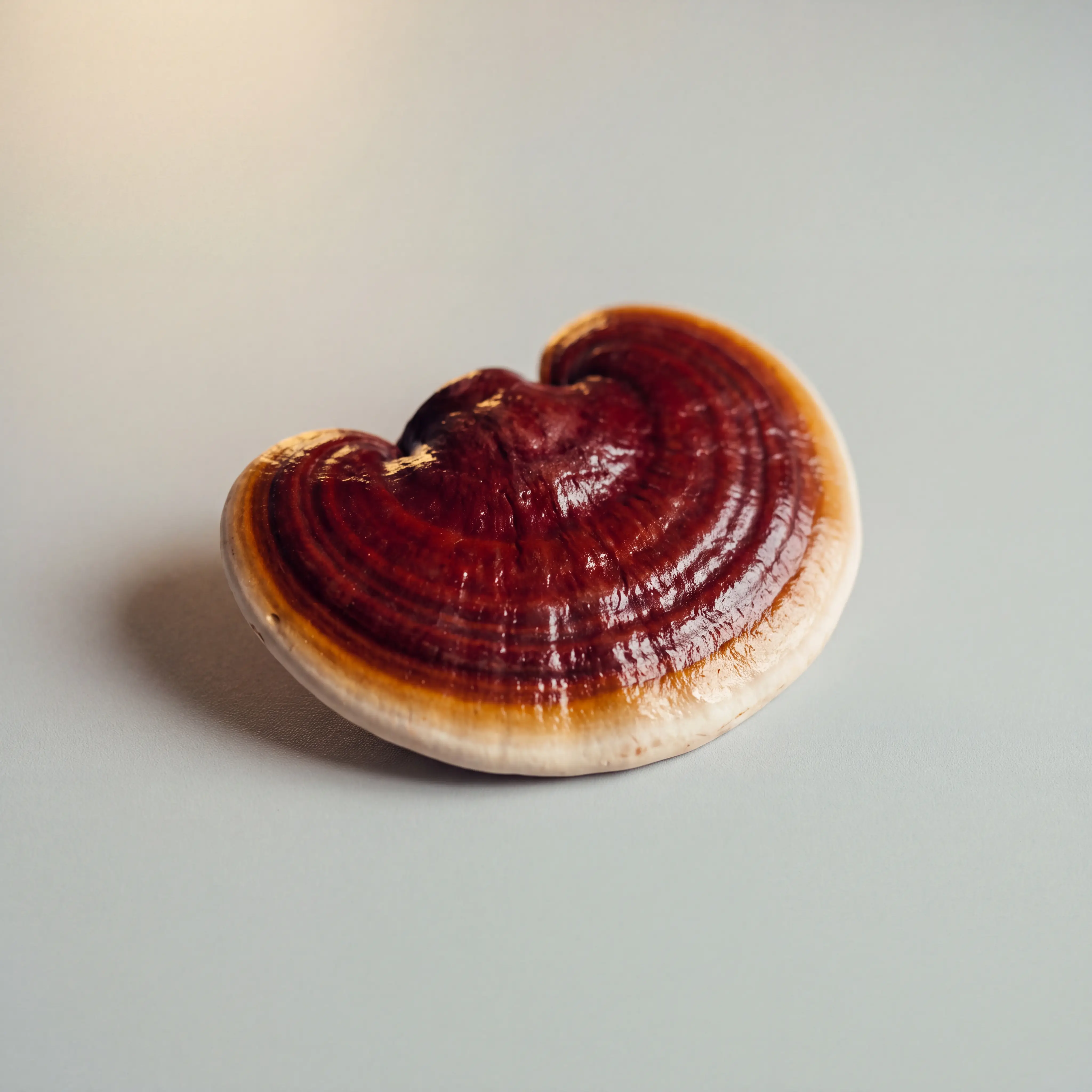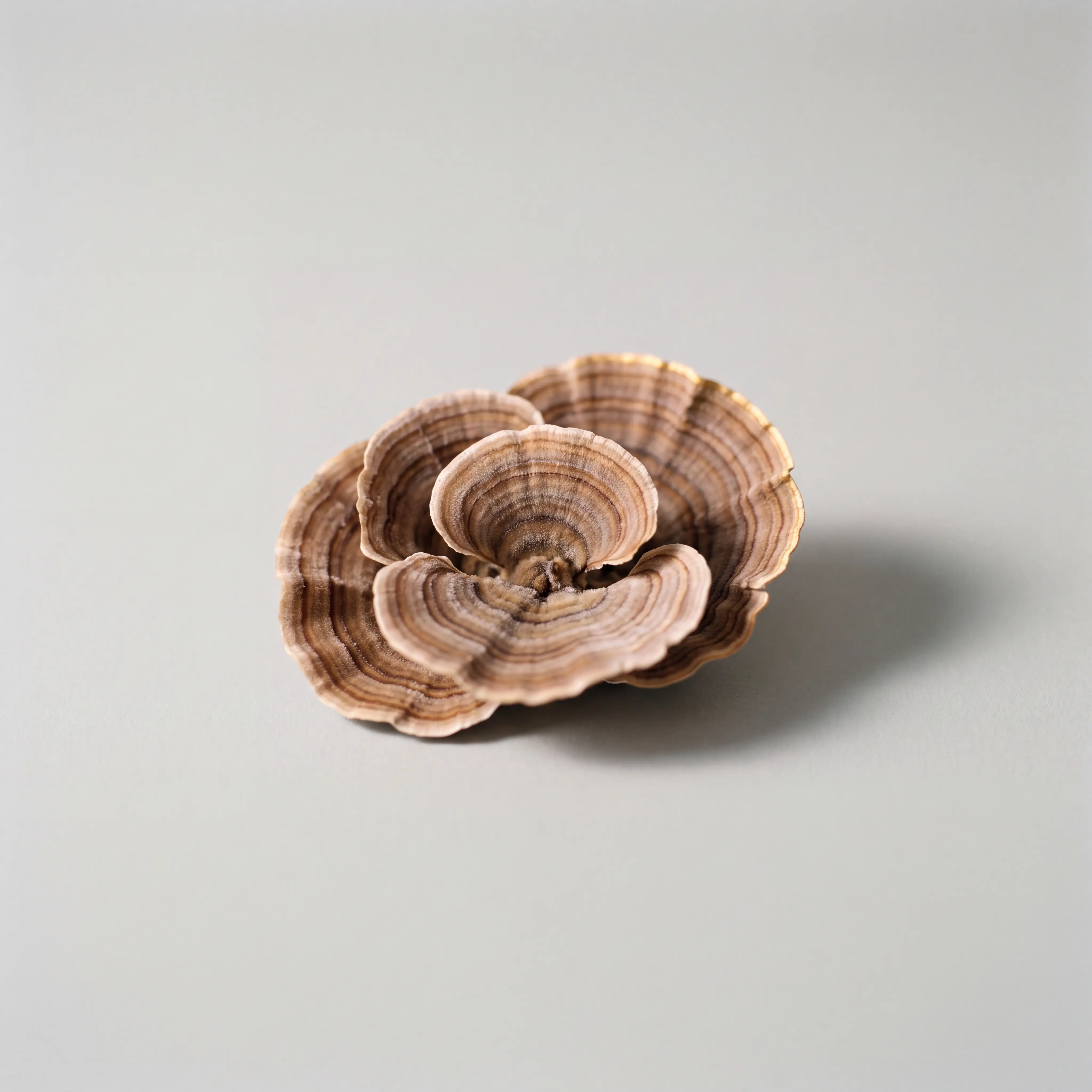
In 1991, hikers in the Ötztal Alps found a man frozen in the ice. He had died 5,300 years earlier, and among the things he carried were two mushrooms threaded on leather cords: birch polypore, a fungus with known bioactive compounds, and tinder fungus for carrying fire. The oldest intact human ever found walked with function-specific fungi on his person.
That is the deep floor of this story: mushrooms as tools, carried on purpose, longer than writing has existed.
The East wrote it down
China gave fungi their first literature. By the Han dynasty, língzhī — Reishi — was already the subject of court fascination; the Shénnóng Běncǎo Jīng, the foundational herbal compiled around two thousand years ago, ranked it among the "superior" substances: those taken daily for vitality rather than acutely for illness. Reishi worked its way into paintings, carvings and temple architecture as a symbol of longevity — the mushroom as icon.
Li Shizhen's Bencao Gangmu (1578) — arguably the most influential natural-history compendium ever written in Asia — catalogued fungi including língzhī and yún zhī (Turkey Tail) with observed uses. Whatever one thinks of pre-modern medicine, this was systematic attention: named species, prepared forms, recorded intent, sustained over centuries.
Traditions elsewhere ran parallel. Siberian and Scandinavian households brewed Chaga from birch trunks as their winter tea. Japanese folk practice steeped kawaratake by the roadside. None of these cultures were in contact about it. All of them landed on the same genus of idea: some fungi are food for the long game.
The lab takes over
The modern chapter begins when chemists started asking what, exactly, was in these things. The answers turned out to be specific: beta-glucan polysaccharides across the category; triterpenes like ganoderic acid in Reishi; hericenones and erinacines in Lion's Mane; protein-bound polysaccharides — PSK and PSP — in Turkey Tail, which went on to become the most clinically studied mushroom compounds in the world.
Since the 1970s, PSK has been used in Japan as a supportive adjunct in conventional care — the clearest case of a traditional mushroom crossing fully into modern medicine. Lion's Mane's nerve-growth-factor research emerged from Japanese labs in the 1990s. Today, functional mushrooms sit in a genuinely interesting place: thousands of years of consistent traditional use, a young but active clinical literature, and a category of food that modern life seems to have been waiting for.
Where LORE stands
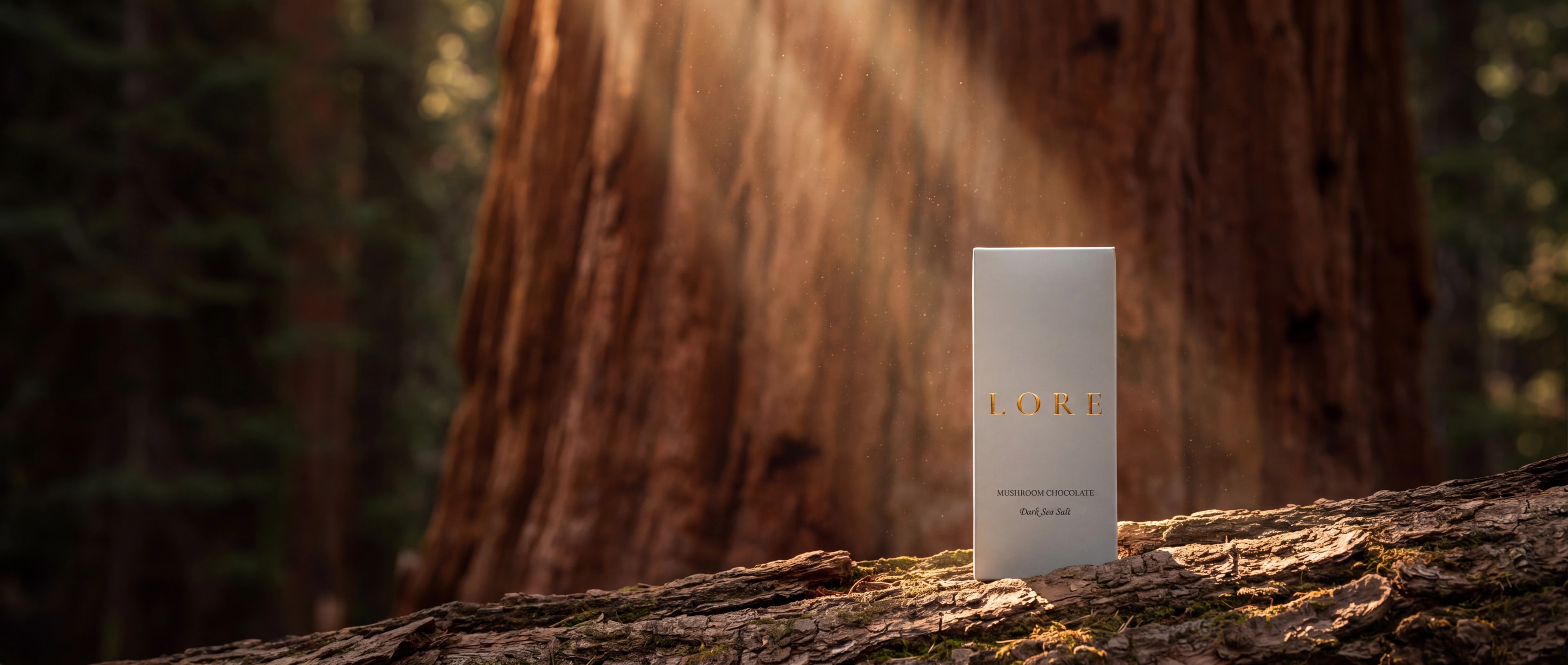
LORE's four — Lion's Mane, Reishi, Chaga, Turkey Tail — are the four with the deepest overlap of tradition and research. We put them in dark chocolate because ritual is the one technology every mushroom culture agreed on: a small, repeated, deliberate act. The Iceman carried his on a cord. You break a square.
Five thousand years, four continents, one shared idea: some fungi are food for the long game.
Common questions
How long have humans used medicinal mushrooms?
At least 5,300 years. Ötzi the Iceman, the oldest intact human remains ever found, carried birch polypore and tinder fungus on leather cords. Written traditions begin around two thousand years ago with China's Shénnóng Běncǎo Jīng, which ranked Reishi among its 'superior' daily substances.
Are functional mushrooms the same as psychedelic mushrooms?
No. Functional mushrooms — Lion's Mane, Reishi, Chaga, Turkey Tail — are legal culinary species with no psilocybin and no intoxicating effects, taken as foods and teas for centuries. LORE bars are functional and non-psychoactive.
Which functional mushroom has the most scientific research?
Turkey Tail (Trametes versicolor). Its protein-bound polysaccharides PSK and PSP have been through human clinical trials and PSK has been used in the Japanese medical system since the 1970s as a supportive adjunct under medical supervision.
Why put functional mushrooms in chocolate?
Every mushroom tradition converged on ritual — a small, repeated, deliberate act, usually a tea. Dark chocolate is the modern version: cacao's bitterness carries earthy extracts naturally, and a scored bar builds in the dose and the pause. One square, taken slowly.
These statements have not been evaluated by the Food and Drug Administration. LORE is a food, not a medicine — this article is for general information and is not medical advice. This product is not intended to diagnose, treat, cure, or prevent any disease.