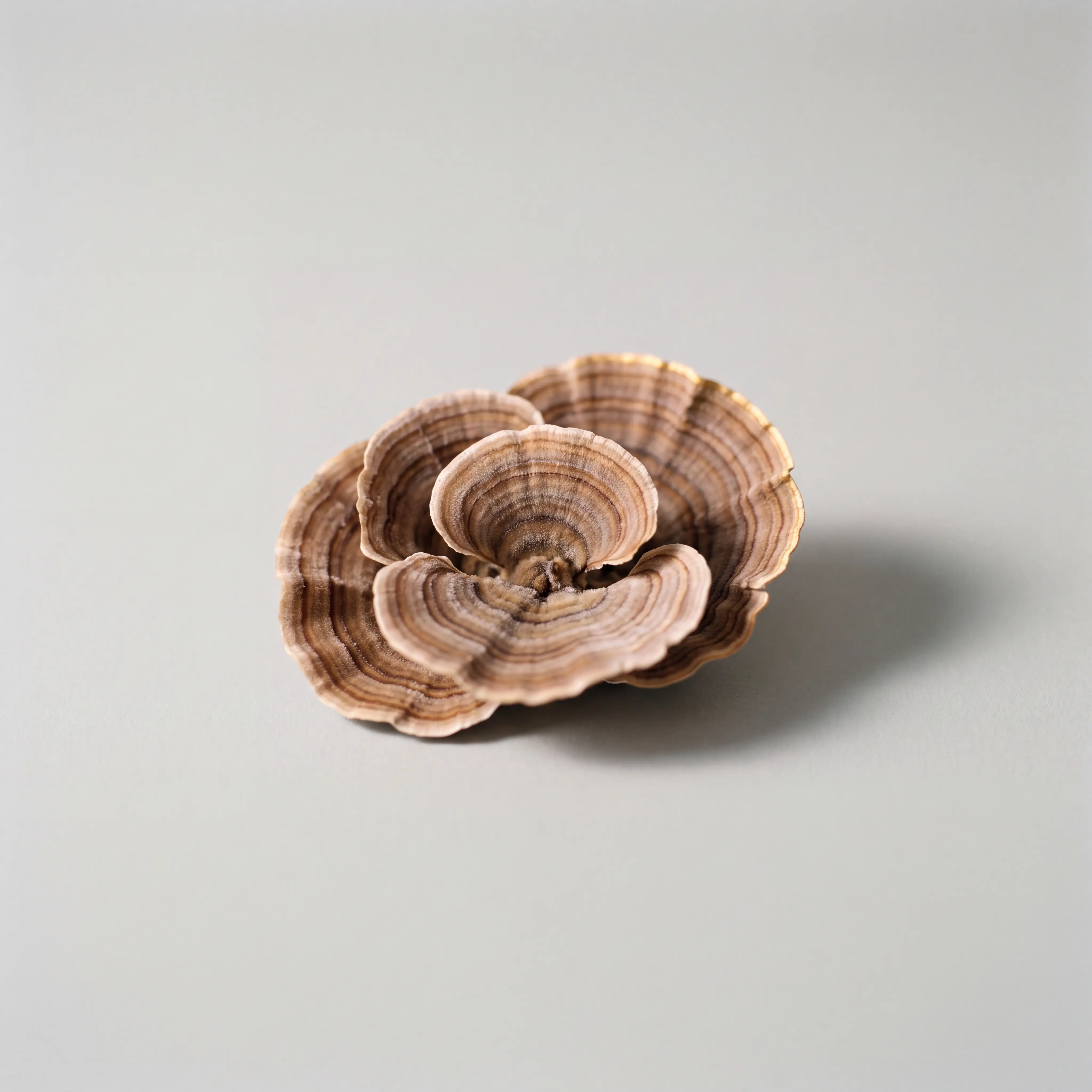
Walk any damp trail in North America and you will pass Turkey Tail (Trametes versicolor) without noticing: thin, leathery fans banded in rings of brown, tan and slate, growing in shelves on fallen logs. It is one of the most common fungi in the world — and, quietly, the most studied.
In China it is yún zhī ("cloud mushroom"); in Japan, kawaratake. Both traditions brewed it as tea long before laboratories took an interest.
What the research looks at
Turkey Tail is where functional-mushroom research is deepest, because two of its protein-bound polysaccharides — PSK (krestin) and PSP — have been through actual human clinical trials, primarily in Japan and China, as adjuncts alongside conventional medical care. PSK has been used in the Japanese medical system for decades in that supportive role.
That is a stronger evidence base than any other mushroom can claim — and it is also narrower than internet folklore suggests. The trials concern specific extracts, in specific medical contexts, under physician supervision. A chocolate bar is not that, and doesn't pretend to be.
For a food, the relevant reading is simpler: Turkey Tail is rich in beta-glucans — the fiber-like polysaccharides studied for how they engage immune-cell receptors in the gut — and it has centuries of tea tradition plus an unusually serious research literature behind it.
Why it's in the bar
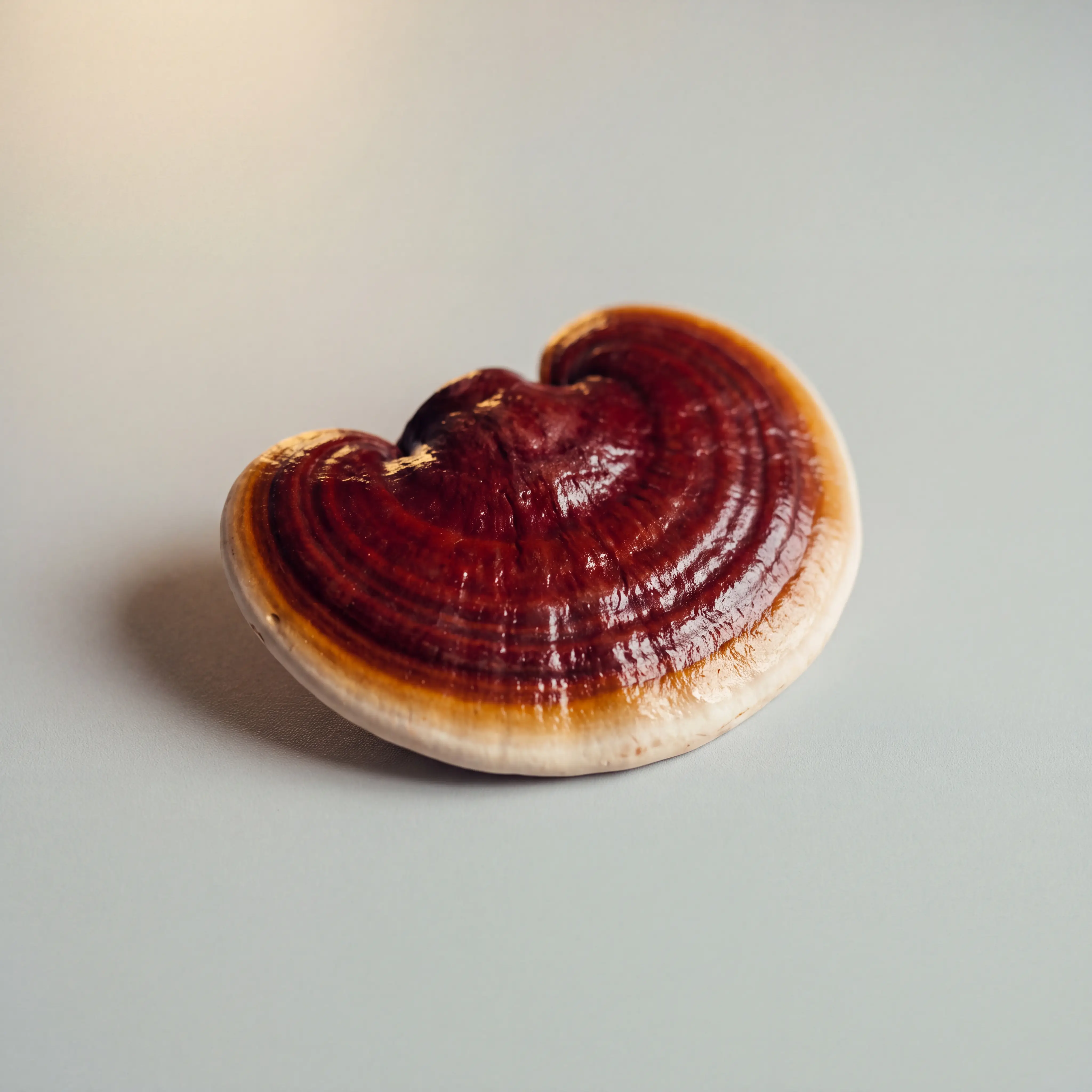
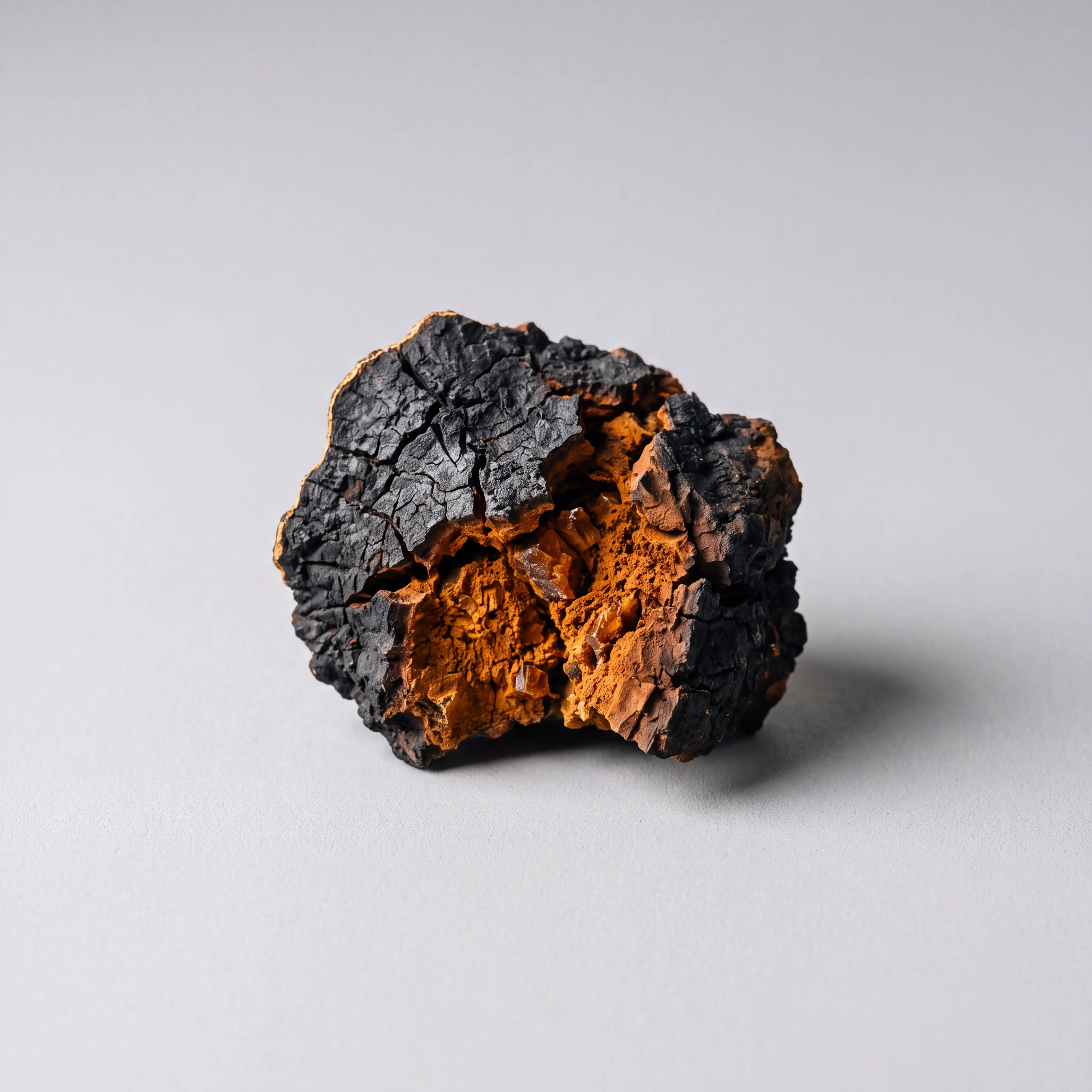
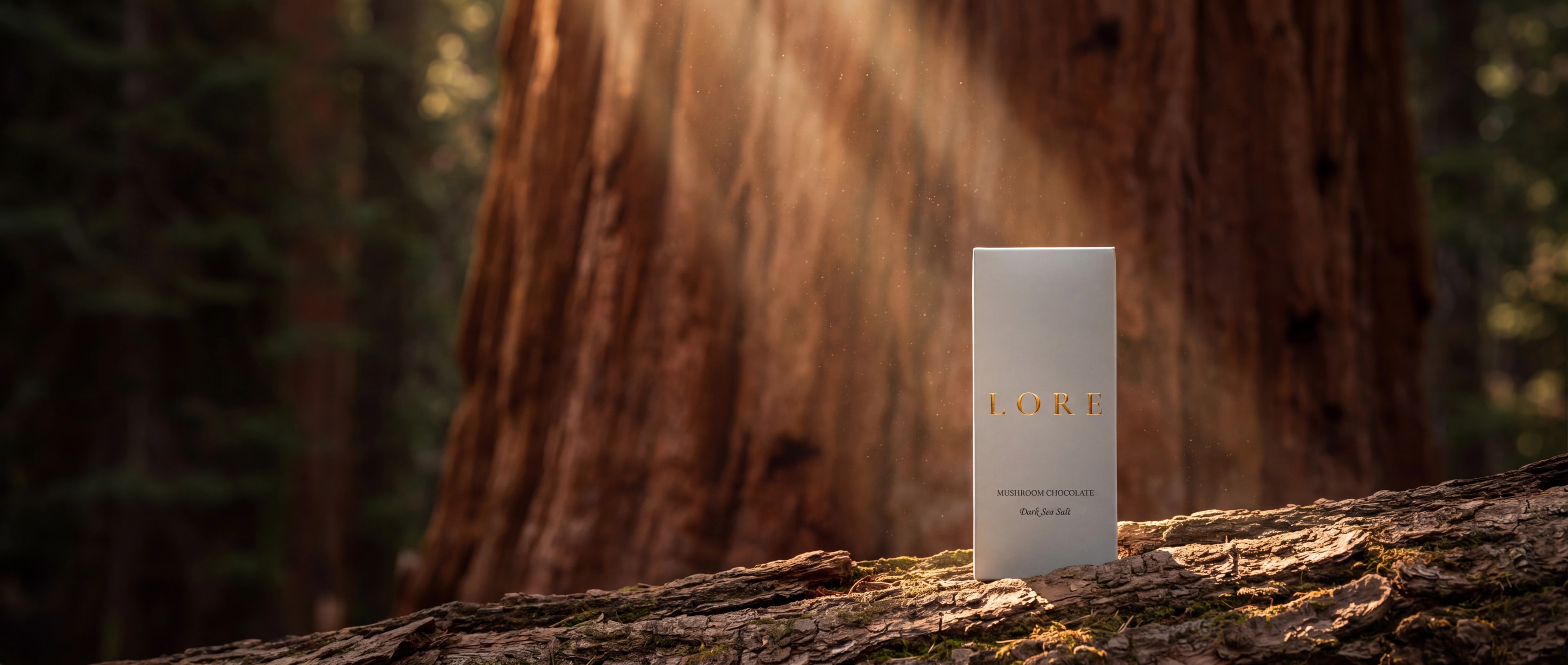
Turkey Tail completes the four: Lion's Mane for the head, Reishi for the evening, Chaga for the forest floor, Turkey Tail for the ground truth — the everyday, gut-level steadiness the others build on. Mild in flavor, it lets the chocolate speak.
The most studied mushroom on earth — and the humblest one on the trail.
Common questions
Is Turkey Tail psychoactive?
No. Turkey Tail (Trametes versicolor) contains no psilocybin and has no intoxicating effect. It is a common, legal culinary-medicinal mushroom. LORE bars are functional and non-psychoactive.
What are PSK and PSP?
PSK (krestin) and PSP are protein-bound polysaccharides isolated from Turkey Tail. They are the most clinically studied mushroom compounds in the world, researched primarily in Japan and China as supportive adjuncts under medical supervision. LORE is a food and makes no treatment claims — but Turkey Tail's research pedigree is why it earns its place in the four.
Why is Turkey Tail associated with gut health?
Its beta-glucan polysaccharides act as prebiotic fibers and are studied for how they interact with immune-cell receptors concentrated in the gut. Early human research explores effects on the gut microbiome.
Which LORE mushrooms support immunity?
Beta-glucans — present in all four LORE mushrooms, and especially studied in Turkey Tail and Reishi — are the compounds researchers focus on for immune modulation. The evidence is promising and ongoing, not conclusive.
These statements have not been evaluated by the Food and Drug Administration. LORE is a food, not a medicine — this article is for general information and is not medical advice. This product is not intended to diagnose, treat, cure, or prevent any disease.